

Modern gaming has evolved far beyond simply launching a game and playing through a fixed set of levels. Players now manage extensive digital libraries, online profiles, downloadable content, multiplayer communities, saved progress, achievements, subscriptions, and increasingly complex game settings. At the same time, developers and gaming platforms need better ways to organize these interconnected elements without making the experience feel complicated. This shift has created demand for smarter game management systems that can handle large amounts of information while remaining accessible to everyday players.
Technology such as quikconsole represents the broader movement toward centralized and intelligent game management. Instead of treating every gaming function as a separate task, modern systems can bring organization, monitoring, customization, and performance information into a more connected environment. This approach can make gaming ecosystems easier to navigate while helping users spend less time managing technical details and more time enjoying their games.
The importance of these systems becomes even clearer as gaming becomes increasingly digital. Cloud-connected services, frequent updates, cross-platform accounts, online communities, and live content require management tools that can respond quickly to changing conditions. Smarter management is therefore becoming an important part of the gaming experience rather than an optional convenience.
How Modern Game Management Is Changing
Traditional game management was generally straightforward. Players installed a title, adjusted a few settings, saved their progress, and continued playing. Today’s gaming environment is considerably more complicated. A single player may have dozens or hundreds of games, multiple profiles, cloud saves, accessories, subscriptions, and online services connected to the same gaming ecosystem. Managing all of these components manually can quickly become frustrating.
Modern systems are designed to reduce that complexity by creating a more unified management experience. Instead of forcing users to search through separate menus for storage information, performance settings, updates, game libraries, or account options, intelligent platforms can organize these functions logically. The result is a smoother experience where important information is easier to discover and routine management tasks require less effort.
Another major change is the increasing importance of data. Gaming systems can collect information about storage capacity, play sessions, network performance, hardware utilization, and other technical factors. When presented responsibly, this information can help users understand how their systems are performing. Rather than waiting until a problem becomes serious, players can identify potential issues earlier and make informed adjustments.
The Role of quikconsole in Smarter Gaming
The concept behind quikconsole focuses on making gaming management more efficient and accessible. A smart management environment can provide a centralized space where users can organize games, monitor important system information, and adjust their gaming experience according to changing requirements. This is particularly valuable for players who regularly switch between different titles and online services.
A major advantage of centralized management is consistency. When gaming tools are scattered across different menus or applications, users may have to repeat similar processes for every title. A more integrated approach can simplify these routines. For example, a player managing a large digital library could benefit from clearer organization, while someone troubleshooting performance could have relevant system information presented in one location.
This type of technology can also support personalization. Different players have different priorities: competitive gamers may care about responsiveness and network stability, while casual players may prioritize convenience and library organization. A flexible management system can accommodate these differences without requiring every user to understand complicated technical settings.
Game Library Organization and Accessibility
As digital libraries continue to expand, organization has become an important part of gaming. Players can accumulate games through purchases, subscriptions, free promotions, downloadable releases, and bundled content. Without effective organization, finding a particular game can become surprisingly time-consuming.
Smarter management systems can improve this experience by making libraries easier to categorize and navigate. Games may be grouped according to genre, recent activity, installation status, multiplayer availability, or other useful characteristics. Even simple improvements in organization can make a large collection feel significantly easier to manage.
Accessibility is equally important. A well-designed system should not assume that every player has the same level of technical knowledge. Clear menus, understandable descriptions, and logical navigation can make advanced functionality available without overwhelming beginners. This balance between capability and simplicity is one of the defining characteristics of modern gaming interfaces.
Performance Monitoring Without Unnecessary Complexity
Gaming performance depends on multiple factors, including hardware capability, available storage, network conditions, background processes, software configuration, and game optimization. When something goes wrong, identifying the cause can be difficult if users have limited information about what their system is doing.
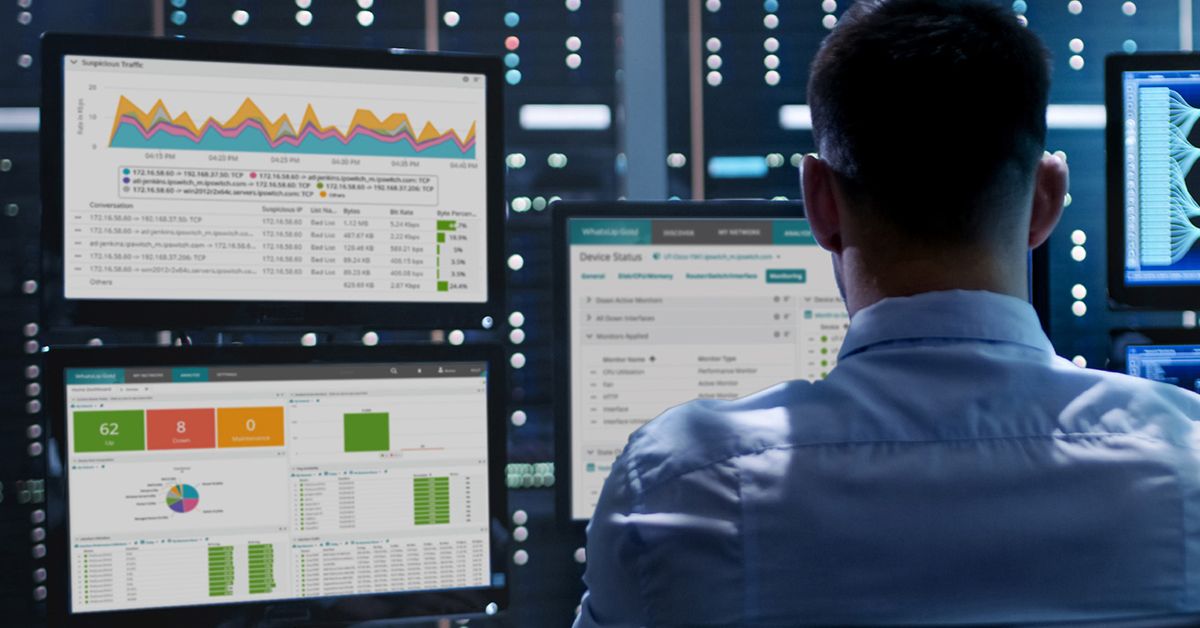
Modern management technology can address this challenge by presenting useful performance information in a more understandable format. Instead of displaying large amounts of technical data without context, a smarter system can focus attention on information that may actually affect the gaming experience. This can help users recognize storage limitations, connectivity problems, or other potential bottlenecks.
For example, a player experiencing inconsistent online gameplay may need to examine network conditions rather than immediately changing graphical settings. Similarly, slow loading times could be related to storage capacity or background activity. Better management tools do not necessarily solve every problem automatically, but they can make the diagnostic process much more structured.
| Management Area | Traditional Approach | Smarter Approach |
|---|---|---|
| Game library | Manual browsing | Organized and searchable collection |
| Performance | Limited information | Centralized monitoring |
| Updates | Individual checking | More streamlined update management |
| Storage | Basic capacity view | Clearer usage and organization |
| Personalization | Separate settings | More connected configuration |
Automation and Routine Gaming Tasks
Automation is another important component of smarter game management. Modern gaming involves numerous repetitive activities, from handling updates and organizing content to maintaining settings and monitoring system resources. Requiring users to manually perform every routine task can create unnecessary friction.
Intelligent management systems can reduce this burden by identifying tasks that can be streamlined. Automatic organization, update notifications, storage recommendations, and system reminders are examples of functions that can help users maintain their gaming environment with less manual effort. The goal is not to remove user control but to eliminate repetitive work that provides little value.
This becomes particularly useful for people with large game collections. Managing dozens of titles individually can consume considerable time. A system that provides clear status information and sensible automation can allow players to focus on the games themselves rather than constantly maintaining their digital library.
Personalized Gaming Experiences
Personalization is becoming increasingly important across digital entertainment, and gaming is no exception. Players expect systems to remember preferences and provide interfaces that match their habits. However, personalization works best when it remains useful rather than becoming intrusive.
A smarter management platform can potentially organize frequently played games more prominently, make commonly used settings easier to reach, or provide information relevant to a player’s current activity. These small adjustments can reduce unnecessary navigation and make the overall experience feel more responsive.
Personalization can also support different gaming styles. A competitive player may frequently check technical performance, while a family user may care more about accessible controls and straightforward account management. The ability to accommodate different needs makes game management technology more versatile and practical.
Security and Responsible Data Management
As gaming platforms become more connected, security has become a central consideration. Modern gaming accounts can contain purchasing information, personal profiles, saved progress, social connections, and other valuable data. A smarter management system therefore needs to consider not only convenience but also responsible handling of user information.
Security features can include stronger authentication practices, account activity monitoring, permission controls, and clear privacy settings. Users should also be able to understand what information is being collected and how it is used. Transparency is particularly important when intelligent systems rely on behavioral or performance data to provide personalized functionality.
quikconsole technology fits into this broader trend toward connected management, where convenience and responsible data handling need to develop together. A sophisticated system is most useful when players can benefit from its features while retaining meaningful control over their accounts and preferences.
Why Centralized Management Matters for Multiplayer Gaming
Multiplayer gaming adds another layer of complexity because the experience depends on both the individual system and external services. Players may need to manage profiles, friends, communication settings, network conditions, downloadable content, and game-specific configurations.
Centralized management can make these tasks easier to coordinate. Rather than navigating several disconnected interfaces, players can potentially access important information from a more unified environment. This is especially helpful when switching between games or managing multiple online activities during the same session.
Better organization can also reduce interruptions. When technical information and account settings are easier to access, players may spend less time searching for solutions when something needs attention. In competitive environments, where responsiveness and consistency matter, reducing unnecessary management steps can make the overall experience more efficient.
Practical Features Players Can Expect
The future of game management is likely to combine convenience with deeper intelligence. Rather than simply adding more menus, successful systems will need to make useful information easier to understand and act upon.
Some important capabilities include:
- Centralized game and content organization
- Clearer performance and storage monitoring
- Personalized interface and configuration options
- Streamlined updates and maintenance notifications
- Stronger account and privacy management
The key is integration. Individual features can be useful, but their real value increases when they work together. A player should not need extensive technical knowledge to understand what is happening within their gaming environment.
The Future of Intelligent Game Management
Gaming platforms are likely to become increasingly adaptive as artificial intelligence, cloud technologies, automation, and connected services continue developing. Future management systems may become better at identifying patterns, anticipating routine needs, and presenting recommendations based on actual usage.
However, smarter does not necessarily mean more complicated. The strongest systems will likely focus on reducing complexity behind the scenes while keeping the user interface simple. Players should be able to access advanced capabilities without being forced to understand every technical process that supports them.
This direction could also benefit developers and gaming service providers. Better management tools can create more organized digital ecosystems, improve support processes, and provide clearer ways to communicate important information to users. As gaming continues to expand across devices and services, efficient management will become increasingly important.
Conclusion
Smarter game management systems are becoming an essential part of the modern gaming environment. The growth of digital libraries, online services, connected accounts, downloadable content, and increasingly complex hardware has created a need for tools that can simplify everyday management without sacrificing flexibility. Centralized organization, performance monitoring, personalization, automation, and security can collectively create a more efficient gaming experience.

.jpg&description=Discover how quikconsole technology is reshaping game management with smarter organization, performance tracking, automation, security, and better player experiences.)